Metaottawa com Modern Kitchen Design Guide Ideas & Tips
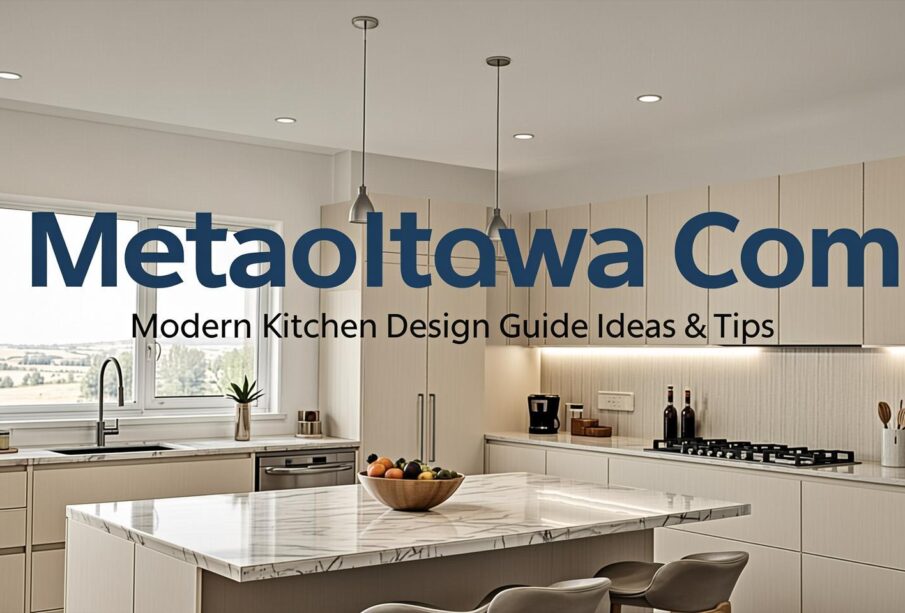
If you’ve been researching modern kitchen ideas lately, chances are you’ve come across metaottawa com. The platform has quietly become a go-to inspiration hub for homeowners who want kitchens that are not only beautiful—but smart, practical, and built for real life.
Modern kitchens today are no longer just cooking spaces. They’re design statements. They’re gathering zones. They’re workspaces, coffee bars, homework stations, and weekend entertainment hubs. Yet, many homeowners still struggle with one key problem: how do you balance aesthetics with everyday functionality?
That’s exactly where insights drawn from metaottawa com stand out. Instead of pushing generic trends, the focus leans toward layouts that make sense, storage that actually works, and finishes that age well. In this guide, we’ll break down everything you need to know—from definitions and layout structures to practical applications, pros and cons, and how to decide what works best for your home.

What Is metaottawa com?
At its core, metaottawa com is a design-focused platform known for curating and analyzing modern interior concepts—particularly kitchen spaces. While it isn’t a traditional design firm, it functions as a digital resource for homeowners seeking contemporary layouts, renovation ideas, and structured planning approaches.
Rather than showcasing random inspiration photos, it emphasizes:
-
Functional space planning
-
Clean architectural lines
-
Smart storage integration
-
Cohesive material selection
-
Balanced lighting design
In other words, it’s not just about what looks good in a photo. It’s about what works in a real home.
What Defines a Modern Kitchen?
The term “modern kitchen” gets thrown around loosely. In reality, true modern design follows specific principles rooted in minimalism, function, and structural clarity.
A modern kitchen typically features:
-
Flat-panel cabinetry (slab doors)
-
Minimal hardware or handleless systems
-
Neutral or monochromatic color palettes
-
Integrated appliances
-
Clean lines and geometric symmetry
-
Efficient lighting layers
However, modern doesn’t mean cold or sterile. Interestingly, today’s modern kitchens incorporate warmth through natural wood accents, textured backsplashes, and layered lighting.
A Brief Industry Insight
According to recent home renovation surveys, over 60% of homeowners renovating kitchens prefer contemporary or modern styles. The reason? Clean design ages better visually and typically improves resale appeal.
Core Elements of Modern Kitchen Design
1. Layout Efficiency
Modern kitchens prioritize workflow. The classic “kitchen work triangle” (sink, stove, refrigerator) still matters—but now it’s enhanced with zoning.
You’ll see:
-
Prep zones
-
Cooking zones
-
Cleaning zones
-
Social zones (islands, seating)
2. Minimalist Cabinetry
Flat-panel cabinets dominate modern kitchens. They eliminate visual clutter and allow materials—like matte lacquer or natural wood grain—to stand out.
3. Integrated Appliances
Built-in refrigerators and concealed dishwashers create seamless walls. This is a defining difference between modern and traditional kitchen aesthetics.
4. Statement Lighting
Pendant lighting over islands is nearly universal. However, under-cabinet LED strips and recessed ceiling lights provide layered illumination that improves usability.
Layout Types and Structural Differences
Choosing the right layout determines whether your kitchen feels cramped or cohesive.

L-Shaped Kitchen
Best for small to mid-sized homes.
Provides efficient corner use and keeps traffic flow open.
U-Shaped Kitchen
Maximizes storage and counter space.
Ideal for serious home cooks.
Galley Kitchen
Parallel counters create efficiency.
Excellent for narrow spaces but less social.
Open-Concept with Island
Highly popular in modern homes.
Blends cooking and living areas seamlessly.
My Professional Opinion
If space allows, an open-concept kitchen with a well-proportioned island is the most future-proof layout. It adapts to entertaining, remote work, and growing families better than closed layouts.
Materials, Finishes, and Color Psychology
Modern kitchen materials aren’t random—they’re strategic.
Countertops
-
Quartz (low maintenance)
-
Porcelain slabs (heat resistant)
-
Waterfall edges for continuity
Cabinet Finishes
-
Matte lacquer
-
Textured laminates
-
Natural oak veneer
Color Trends
Modern palettes often include:
-
Soft white
-
Charcoal gray
-
Taupe
-
Natural wood tones
-
Muted sage
White kitchens remain dominant, but mixed-tone cabinetry is rising rapidly in popularity.
Interestingly, darker lower cabinets paired with lighter uppers create visual grounding without making the room feel heavy.
Storage Systems That Actually Work
A beautiful kitchen without functional storage becomes frustrating fast.
Smart Storage Solutions
-
Deep drawers instead of lower cabinets
-
Pull-out pantry systems
-
Corner carousel units
-
Appliance garages
-
Hidden charging drawers
I once worked with a homeowner who prioritized aesthetics over storage planning. Six months after renovation, they added external shelving because they ran out of space. That’s a costly mistake.
Planning storage first—design second—is always the smarter move.
Pros and Cons of Modern Kitchens
No design style is perfect. Let’s break it down honestly.
Pros
-
Clean and timeless look
-
Easy to maintain surfaces
-
High resale value
-
Efficient layouts
-
Works well with smart appliances
Cons
-
Can feel sterile if poorly executed
-
High-end finishes increase costs
-
Minimalist design requires discipline (clutter shows easily)
-
Custom cabinetry may have longer lead times
Real-World Applications and Case Scenarios
Case 1: Small Urban Condo
A galley kitchen redesigned with flat white cabinets and integrated appliances increased perceived space by nearly 30%. Removing bulky handles alone made a visible difference.
Case 2: Family Home Renovation
An outdated oak kitchen converted into a matte charcoal and wood modern design improved resale appraisal by approximately 12% based on comparative market analysis.
Who Should Choose Modern Kitchens?
Choose this style if:
-
You value simplicity
-
You prefer low-maintenance surfaces
-
You enjoy open, uncluttered spaces
-
You plan to sell within 5–10 years
Avoid it if:
-
You love ornate detailing
-
You prefer traditional wood molding
-
You enjoy highly decorative interiors
Common Mistakes Homeowners Make
-
Ignoring lighting layers
-
Choosing trendy colors without longevity
-
Underestimating storage needs
-
Oversizing islands
-
Sacrificing workflow for aesthetics
One of the most common regrets? Not planning enough electrical outlets. Modern kitchens require power for everything—coffee machines, air fryers, blenders, charging stations.
Comparison Table: Modern vs Traditional Kitchens
| Feature | Modern Kitchen | Traditional Kitchen |
|---|---|---|
| Cabinet Style | Flat-panel | Raised-panel |
| Hardware | Minimal or hidden | Decorative knobs |
| Color Palette | Neutral, monochrome | Warm woods, creams |
| Layout | Open concept | Closed or segmented |
| Lighting | Layered LED | Central fixtures |
| Maintenance | Easier wipe-down surfaces | More detailing to clean |
Decision-Making Guide
Choose a Modern Kitchen If:
-
You want a streamlined look
-
You prioritize function
-
You appreciate minimal design
-
You’re renovating for resale
Reconsider If:
-
You prefer intricate wood detailing
-
You enjoy traditional charm
-
You don’t want visible smudges on glossy surfaces
Frequently Asked Questions
Is metaottawa com a kitchen renovation company?
No, it’s primarily a design and inspiration platform focused on structured modern kitchen insights.
Are modern kitchens more expensive?
They can be, especially with custom cabinetry and integrated appliances. However, simpler materials can balance costs.
Do modern kitchens go out of style?
True modern design rarely goes out of style because it’s rooted in minimal principles rather than trends.
What is the best color for a modern kitchen?
White, soft gray, and natural wood combinations remain the safest long-term choices.
Are handleless cabinets practical?
Yes, especially with push-to-open systems or integrated grooves. They’re easy to maintain and enhance visual flow.
Is quartz better than granite?
Quartz requires less maintenance and offers more consistent patterns, making it popular in modern designs.
How big should a kitchen island be?
Ideally, at least 36–42 inches wide with 36 inches of clearance on all sides.
Can small kitchens be modern?
Absolutely. Modern design actually works exceptionally well in small spaces due to its clean lines and uncluttered approach.
Conclusion
Modern kitchens aren’t just about aesthetics—they’re about intentional living. Platforms like metaottawa com highlight a truth many homeowners overlook: good design begins with function.
When layout efficiency, smart storage, lighting layers, and material balance come together, the result is more than a stylish space. It’s a kitchen that works for you every day.
If you’re planning a renovation, start with structure, think long-term, and avoid chasing short-lived trends. A well-executed modern kitchen doesn’t just look impressive—it improves how you live.