Exterior Design DrHomey: Transform Your Home’s Curb Appeal
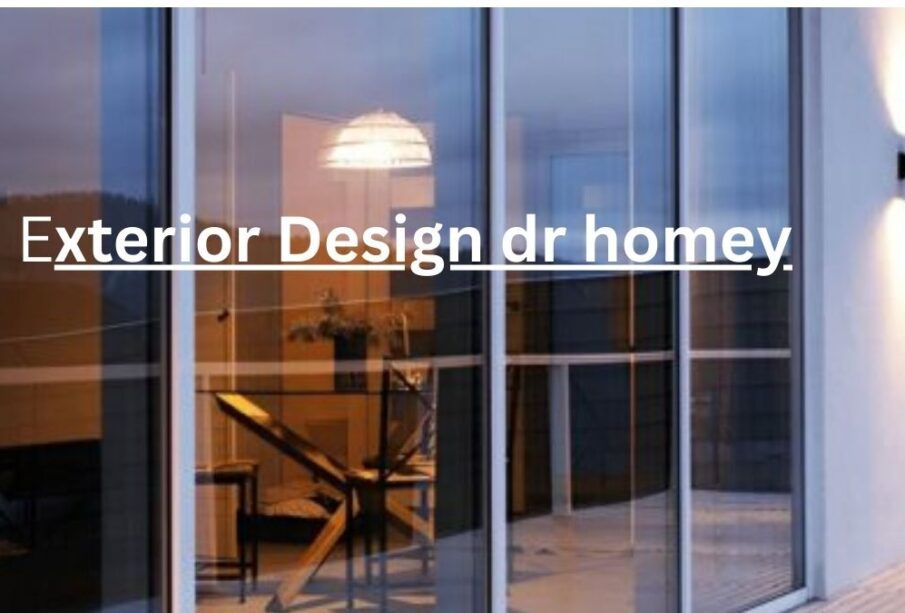
Have you ever driven through a neighborhood and found yourself automatically drawn to certain homes while barely noticing others? That magnetic pull is no accident—it’s the power of thoughtful at work. Your home’s exterior is its first impression, and in today’s competitive real estate market, that initial impression matters more than ever. Whether you’re planning to sell soon or simply want to create a home you can be proud of, exterior design is the key to unlocking your property’s full potential.
The concept of exterior design goes far beyond a fresh coat of paint or a well-manicured lawn. It encompasses architectural elements, material selections, color schemes, landscaping, and lighting—all working together to create a cohesive, welcoming appearance. DrHomey has revolutionized how homeowners approach exterior design by developing a systematic method that balances aesthetic appeal with functionality and value. In this comprehensive guide, we’ll explore the principles, techniques, and insider tips that will transform your home’s exterior from ordinary to extraordinary.
Understanding the Fundamentals of Exterior Design
Exterior design is the art and science of enhancing the appearance of your home’s exterior while improving its functionality and value. Unlike interior design, which focuses solely on aesthetics and comfort inside your home, exterior design must balance beauty with durability against weather conditions, energy efficiency, and architectural integrity. The exterior design drhomey approach recognizes that a home’s exterior is not just about looks—it’s about creating a protective envelope that expresses your personal style while standing up to the elements.
The psychology behind exterior design is fascinating. Studies have shown that a well-designed exterior can increase a property’s value by up to 20% and reduce time on market by as much as 50%. This makes sense when you consider that potential buyers form an opinion about a home within the first 7-10 seconds of seeing it. That’s barely enough time to register the basic architectural style before subconscious judgments about maintenance, quality, and care begin to form. The exterior design drhomey method capitalizes on this psychological reality by creating immediate positive impressions that translate into perceived value.
Architectural harmony plays a crucial role in successful exterior design. Every home has an inherent architectural style—whether it’s Colonial, Victorian, Modern, Craftsman, or something else entirely—and the most successful exterior designs respect and enhance this underlying character. DrHomey’s approach begins with a thorough analysis of your home’s architectural DNA, identifying key features that should be highlighted and elements that might be downplayed or modified. This architectural authenticity ensures that improvements feel integrated rather than applied, creating a timeless appeal that won’t feel dated in a few years.
The DrHomey Philosophy: A Revolutionary Approach
What sets the exterior design drhomey methodology apart from traditional approaches is its holistic perspective. Rather than treating exterior design as a series of isolated projects (new roof, updated siding, better landscaping), DrHomey views the home as an interconnected system where each element influences and is influenced by the others. This systems thinking prevents the common mistake of making improvements that look good individually but clash when viewed as a whole.
The DrHomey philosophy is built on three core principles: balance, proportion, and harmony. Balance refers to the visual weight distribution across your home’s façade—ensuring that no single element overpowers the others. Proportion relates to the relationship between different architectural features and how they scale with each other and with the overall structure. Harmony is achieved when all elements work together to create a unified, pleasing composition rather than a collection of disparate parts.
Another revolutionary aspect of the exterior design drhomey approach is its emphasis on “curb appeal from all angles.” Most homeowners focus exclusively on the front view of their property, but DrHomey considers how the home appears from the street, from the driveway, from the sidewalk, and even from neighboring properties. This comprehensive perspective ensures that your home looks attractive from every vantage point, creating a cohesive impression that enhances the entire streetscape.
Essential Elements of Exterior Design
Successful exterior design involves careful consideration of multiple elements that work together to create a harmonious whole. Understanding these components and how they interact is essential to achieving the exterior design drhomey standard of excellence.
Architectural Features
Your home’s architectural features form the foundation of its exterior design. These include the roof shape and material, window style and placement, door design, and any distinctive elements like porches, dormers, or decorative trim. When working with these existing features, the exterior design drhomey approach focuses on enhancement rather than replacement whenever possible. For example, instead of replacing all windows, you might consider adding architectural trim that makes existing windows appear more substantial and intentional.
Siding and Wall Surfaces
The material covering your home’s exterior walls constitutes the largest visual element and significantly impacts its overall appearance. Options range from traditional wood siding and brick to modern materials like fiber cement, metal panels, and synthetic stucco. Each material has its own character, maintenance requirements, and price point. The exterior design drhomey method considers not just the aesthetic qualities of these materials but also how they age and weather over time, ensuring that your home will continue to look beautiful years after the initial installation.
Entryways and Doors
Your front door serves as the focal point of your home’s exterior and acts as a handshake, welcoming visitors and setting expectations for what lies beyond. The exterior design drhomey approach emphasizes creating an entryway that is both visually striking and functionally excellent. This might involve upgrading to a door with architectural interest, adding appropriate lighting, incorporating thoughtful hardware, and ensuring the pathway to the entrance is clear and inviting.
Windows and Openings
Windows are the eyes of your home, and their style, placement, and treatment significantly impact the overall exterior design. The exterior design drhomey philosophy considers both the practical aspects of windows (natural light, ventilation, energy efficiency) and their aesthetic contribution to the façade. This might involve adding exterior shutters, installing window boxes, or ensuring that window trim is proportional and architecturally appropriate.
Color Schemes That Command Attention
Color is perhaps the most powerful tool in exterior design, capable of transforming a home’s character with relatively modest investment. However, selecting the right color scheme requires understanding color theory, architectural context, and neighborhood character. The exterior design drhomey approach to color goes beyond simply choosing attractive hues—it involves creating a palette that enhances architectural features, works with the fixed elements of your home (roof, brick, stone), and complements the surrounding environment.
Understanding Color Psychology in Exterior Design
Colors evoke emotional responses and communicate subtle messages about your home and its inhabitants. Blue tones suggest stability and tranquility, earth tones create a sense of groundedness and connection to nature, while bold colors like red or yellow can express confidence and creativity. The exterior design drhomey method considers not just your personal preferences but also the psychological impact of different color choices on potential buyers and visitors.
Creating a Cohesive Color Palette
A successful exterior color scheme typically consists of three components: a dominant field color (used for the primary siding or wall surface), an accent color (used for doors, shutters, and other architectural features), and a trim color (used for window frames, cornices, and other detailed elements). The exterior design drhomey approach ensures these colors work together harmoniously while creating appropriate visual interest and hierarchy.
Working With Fixed Elements
Most homes have some color elements that cannot or should not be changed, such as roof color, brick or stone facades, or existing tile work. The exterior design drhomey method begins with these fixed elements, building a color scheme that complements rather than conflicts with them. This might involve pulling subtle tones from brick for the accent color or choosing a field color that harmonizes with the roof rather than trying to match it exactly.
Neighborhood Context and Regional Considerations
While your home should express your personal style, it also exists within a broader context. The exterior design drhomey approach considers the character of your neighborhood and regional design traditions when developing color schemes. This doesn’t mean your home must look identical to your neighbors’, but rather that it should feel like it belongs while still standing out in a positive way.
Material Selections for Lasting Impact
The materials you choose for your home’s exterior not only determine its appearance but also its durability, maintenance requirements, and long-term value. The exterior design drhomey approach emphasizes selecting materials that balance aesthetic appeal with practical considerations, ensuring your home will look beautiful for years to come without requiring excessive maintenance.
Siding Materials: Pros and Cons
Different siding materials offer distinct advantages and challenges:
The exterior design drhomey approach considers not just the initial appearance of these materials but how they will age and weather over time. For example, wood develops a beautiful patina but requires regular maintenance, while metal develops an attractive weathered appearance with minimal care.
Roofing Materials as Design Elements
Your roof constitutes approximately 40% of your home’s visible exterior, making it a critical design element. The exterior design drhomey method considers roofing not just as a protective covering but as an opportunity to enhance architectural character. Options range from traditional asphalt shingles to metal, tile, slate, and even green roofs, each offering distinct aesthetic qualities and performance characteristics.
Hardscaping Materials
The materials used for driveways, walkways, patios, and retaining walls contribute significantly to your home’s exterior design. The exterior design drhomey approach emphasizes creating continuity between these hardscaping elements and the home itself, using complementary materials and consistent detailing to create a unified composition.
Landscaping as an Extension of Your Home
Thoughtful landscaping can enhance your home’s architectural character, soften its edges, and create a seamless transition between the built environment and the natural world. The exterior design drhomey approach views landscaping not as separate from the home but as an integral extension of the overall design.
Foundation Plantings
Foundation plantings—shrubs and plants installed along the base of your home—serve multiple purposes: they soften the transition between structure and ground, conceal the foundation, and can highlight architectural features. The exterior design drhomey method emphasizes selecting plants that are appropriately scaled to your home and will mature to the right size without requiring constant pruning.
Trees for Structure and Shade
Strategically placed trees can frame your home, provide shade that reduces cooling costs, and create visual interest through seasonal changes. The exterior design drhomey approach considers not just the current appearance of trees but their mature size and shape, ensuring they will complement rather than overwhelm your home as they grow.
Garden Beds and Borders
Well-designed garden beds add color, texture, and seasonal interest to your home’s exterior. The exterior design drhomey method emphasizes creating garden beds with clean lines and intentional plant selections that work with your home’s architecture rather than competing with it.
Lawn Areas and Ground Covers
A well-maintained lawn provides a unifying element in landscape design, but alternatives like ground covers, permeable hardscaping, or native plantings can reduce maintenance while adding visual interest. The exterior design drhomey approach considers the overall composition of these areas, ensuring they enhance rather than detract from your home’s appearance.
Lighting Techniques for Dramatic Effect
Exterior lighting serves both practical and aesthetic purposes, enhancing safety and security while creating dramatic effects that highlight architectural features and extend the enjoyment of your outdoor spaces into the evening hours. The exterior design drhomey approach to lighting emphasizes layering different types of illumination for a balanced, sophisticated effect.
Architectural Lighting
Architectural lighting highlights the distinctive features of your home’s design, drawing attention to elements like texture, form, and detailing. Techniques include uplighting (placing lights at ground level and aiming upward), grazing (placing lights close to surfaces to highlight texture), and silhouetting (placing lights behind objects to create dramatic outlines).
Landscape Lighting
Landscape lighting serves multiple purposes: it illuminates pathways for safety, highlights specimen plants or trees, and creates depth and dimension in the landscape. The exterior design drhomey approach emphasizes using lighting to create visual hierarchy, guiding the eye to the most important elements of your composition.
Task Lighting
Task lighting provides illumination for specific activities like cooking on an outdoor grill, reading in a seating area, or navigating stairs and pathways. The exterior design drhomey method ensures that task lighting is both functional and aesthetically pleasing, integrating seamlessly with the overall lighting design.
Decorative Lighting
Decorative lighting includes fixtures like lanterns, string lights, and other elements that add sparkle and personality to your exterior spaces. The exterior design drhomey approach uses decorative lighting judiciously, ensuring it enhances rather than overwhelms the overall composition.
Seasonal Considerations in Exterior Design
A truly successful exterior design looks beautiful in all seasons, not just during the growing months. The exterior design drhomey approach considers how your home will appear throughout the year, planning for seasonal variations in lighting, plant appearance, and weather conditions.
Winter Interest
In many climates, winter presents particular challenges for exterior design, with bare branches, snow cover, and limited daylight creating a stark landscape. The exterior design drhomey method incorporates elements like evergreen plants, interesting bark textures, and architectural features that provide visual interest even when deciduous plants are dormant.
Summer Considerations
Summer brings lush growth, intense sunlight, and increased outdoor living activities. The exterior design drhomey approach considers how your home will look during the peak growing season, ensuring that plantings don’t overwhelm the architecture and that shading strategies help keep your home comfortable.
Transitional Seasons
Spring and fall offer unique opportunities for exterior design, with flowering bulbs, changing leaf colors, and moderate temperatures that extend outdoor enjoyment. The exterior design drhomey method incorporates elements that highlight these seasonal transitions, creating a dynamic exterior that evolves throughout the year.
Budget-Friendly Exterior Design Strategies
Exterior design doesn’t necessarily require a substantial investment. The exterior design drhomey approach includes numerous strategies for achieving high-impact results with modest budgets, focusing on changes that provide the greatest visual return for their cost.
Paint: The Highest Impact, Lowest Cost Improvement
A fresh coat of paint can transform a home’s appearance more dramatically than almost any other improvement, and it’s relatively inexpensive compared to major renovations. The exterior design drhomey approach emphasizes selecting colors that enhance architectural features while providing appropriate contrast and visual interest.
Hardware and Accents
Updating elements like door hardware, house numbers, light fixtures, and mailboxes can provide a surprisingly significant boost to your home’s appearance for a modest investment. The exterior design drhomey method emphasizes selecting these elements with an eye for proportion and architectural appropriateness.
Strategic Plantings
Well-placed trees, shrubs, and perennials can frame your home, soften its edges, and create a polished, established appearance. The exterior design drhomey approach focuses on selecting plants that will provide the greatest visual impact for their cost, considering mature size, seasonal interest, and maintenance requirements.
Cleaning and Maintenance
Sometimes the most effective improvement is simply thorough cleaning and maintenance. Power washing siding, cleaning windows, repairing damaged elements, and refreshing mulched beds can dramatically improve your home’s appearance with minimal investment. The exterior design drhomey method emphasizes addressing these basic maintenance items before considering more extensive improvements.
Common Mistakes to Avoid
Even with the best intentions, it’s easy to make mistakes that undermine your exterior design efforts. The exterior design drhomey approach helps homeowners avoid these common pitfalls:
Ignoring Architectural Character
One of the most common mistakes is applying design elements without considering the home’s underlying architectural style. The exterior design drhomey method emphasizes working with your home’s inherent character rather than against it, selecting improvements that enhance rather than disguise its architectural identity.
Inappropriate Scale
Elements that are too large or too small for your home can create visual disharmony. The exterior design drhomey approach emphasizes selecting and placing elements with careful attention to scale, ensuring that everything feels proportional and intentional.
Neglecting the Whole Picture
Focusing on one area of your home’s exterior while ignoring others can create a disjointed appearance. The exterior design drhomey method takes a comprehensive view, ensuring that all elements work together to create a unified composition.
Overlooking Maintenance Requirements
Selecting materials or plantings without considering their long-term maintenance needs can lead to a deteriorated appearance over time. The exterior design drhomey approach balances aesthetic appeal with practical considerations, ensuring your home will continue to look beautiful with reasonable care.
The DrHomey Story: A Personal Journey
Behind the exterior design drhomey methodology is a compelling personal story of passion, perseverance, and innovation. DrHomey began as a small design consultancy founded by Alexandra Homey, a trained architect with a vision for making professional exterior design accessible to everyday homeowners.
Alexandra’s journey into exterior design began during her childhood, where she spent hours helping her father, a contractor, renovate family homes. These early experiences instilled in her a deep appreciation for how thoughtful exterior improvements could transform not just a property’s appearance but its entire character. After earning her architecture degree and working for several prestigious firms, Alexandra noticed a recurring pattern: homeowners had access to sophisticated interior design resources but limited guidance for their exteriors.
This observation sparked the idea that would eventually become exterior design drhomey. Alexandra began developing a systematic approach to exterior design that distilled complex architectural principles into accessible guidelines that homeowners could apply themselves or use to guide professional work. What started as weekend workshops for friends and neighbors gradually grew into a comprehensive methodology that has now helped thousands of homeowners transform their properties.
Today, DrHomey is recognized as a leading authority in exterior design, with a team of professionals who share Alexandra’s passion for creating beautiful, functional home exteriors. The company has expanded beyond its initial consulting focus to include a range of products, online courses, and design services—all built around the core exterior design drhomey philosophy of balance, proportion, and harmony.
Frequently Asked Questions
How much should I budget for an exterior design transformation?
The cost of an exterior design transformation varies widely depending on the scope of work, materials selected, and whether you DIY or hire professionals. Minor updates like paint, hardware, and landscaping might cost $5,000-$15,000, while comprehensive renovations involving new siding, roofing, and hardscaping can range from $30,000 to $100,000 or more. The exterior design drhomey approach helps prioritize investments to achieve the greatest impact within your budget.
Can I implement exterior design drhomey principles on a modern home?
Absolutely! While many exterior design examples feature traditional architecture, the exterior design drhomey principles of balance, proportion, and harmony apply to all architectural styles. In fact, modern homes often benefit greatly from thoughtful exterior design, as their clean lines and simple forms provide an excellent canvas for highlighting materials and architectural details.
How long does a typical exterior design project take?
The timeline for an exterior design project depends on its complexity and scope. Simple updates like painting and landscaping might be completed in a few weeks, while comprehensive renovations involving structural changes, new siding, and extensive hardscaping can take several months. The exterior design drhomey approach emphasizes careful planning to minimize disruption and ensure efficient execution.
Do I need an architect for exterior design improvements?
Not necessarily. While major structural changes definitely require professional expertise, many exterior design improvements can be planned and implemented by knowledgeable homeowners or with the help of landscape designers, contractors, or exterior design specialists. The exterior design drhomey methodology provides guidance that helps homeowners know when professional expertise is needed and when they can confidently proceed on their own.
How do I choose the right color scheme for my home’s exterior?
Selecting an exterior color scheme requires considering your home’s architectural style, fixed elements like roof and brick, neighborhood context, and personal preferences. The exterior design drhomey approach recommends starting with these fixed elements, selecting a dominant field color that harmonizes with them, choosing an accent color for doors and shutters that provides appropriate contrast, and finishing with a trim color that ties everything together.
What are the most important elements to focus on for a quick exterior refresh?
If you’re looking for high-impact improvements with minimal investment, the exterior design drhomey approach recommends focusing on: 1) A fresh coat of paint in a well-chosen color scheme, 2) Updated entry door and hardware, 3) Improved lighting at the entry and along pathways, 4) Strategic plantings that frame the house, and 5) Thorough cleaning and maintenance of existing elements.
Conclusion
Your home’s exterior is more than just a protective shell—it’s a statement about who you are and what you value. The exterior design drhomey approach offers a comprehensive, thoughtful way to enhance this important aspect of your property, balancing aesthetic appeal with practical considerations to create a home that looks beautiful, functions well, and maintains its value over time.
Whether you’re planning a major renovation or simply looking to make a few strategic improvements, the principles of exterior design drhomey can guide your decisions and help you achieve results that exceed your expectations. By focusing on balance, proportion, and harmony, and by considering how all elements work together as a unified composition, you can create an exterior that not only catches the eye but also stands the test of time.
Remember that exterior design is not a one-time project but an ongoing process of refinement and enhancement. As your family’s needs change and as materials and styles evolve, your home’s exterior can adapt and continue to express your personal style while providing the curb appeal and functionality that make it a true sanctuary. With the exterior design drhomey methodology as your guide, you have everything you need to transform your home’s exterior into something truly extraordinary.
![chair seat covers: 10 Chic Kitchen Styles [2026 Guide]](https://diykitchen.org/wp-content/uploads/2026/03/2033824807212027904-360x240.jpg)
![Bar Stool Covers: 11 Stylish Kitchen Picks [2026 Guide]](https://diykitchen.org/wp-content/uploads/2026/03/2029110902413856768-360x240.jpg)