Back Casting Room Methods for Deep Kitchen Cleaning
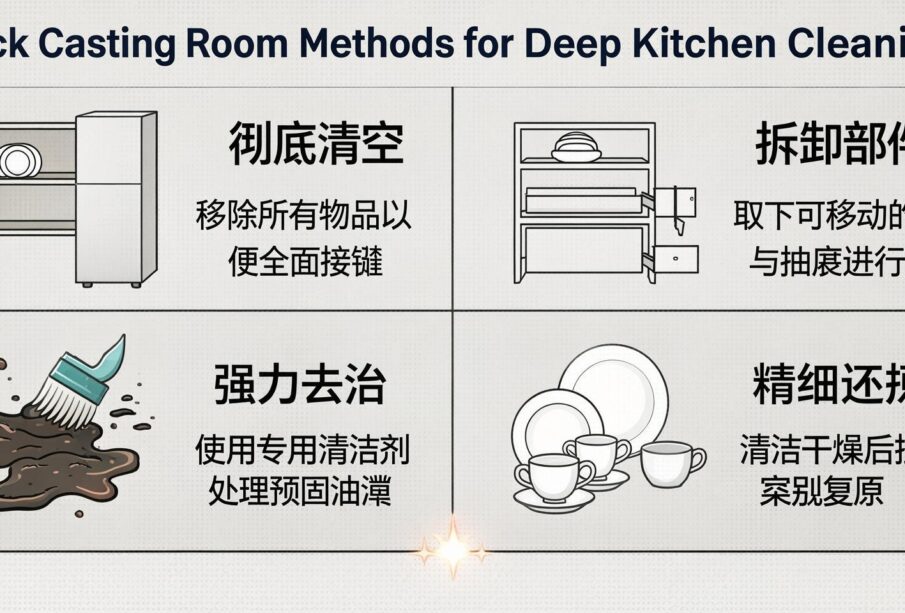
Kitchen cleaning often feels endless because most people clean reactively rather than strategically. That’s where back casting room concepts bring a refreshing shift to kitchen cleaning routines.
Instead of starting with what’s dirty right now, back casting focuses on the desired end result—a consistently clean, manageable kitchen—and works backward to design the cleaning process.
This mindset helps reduce overwhelm, save time, and create routines that actually stick, especially in busy households.
What Back Casting Room Means in Kitchen Cleaning
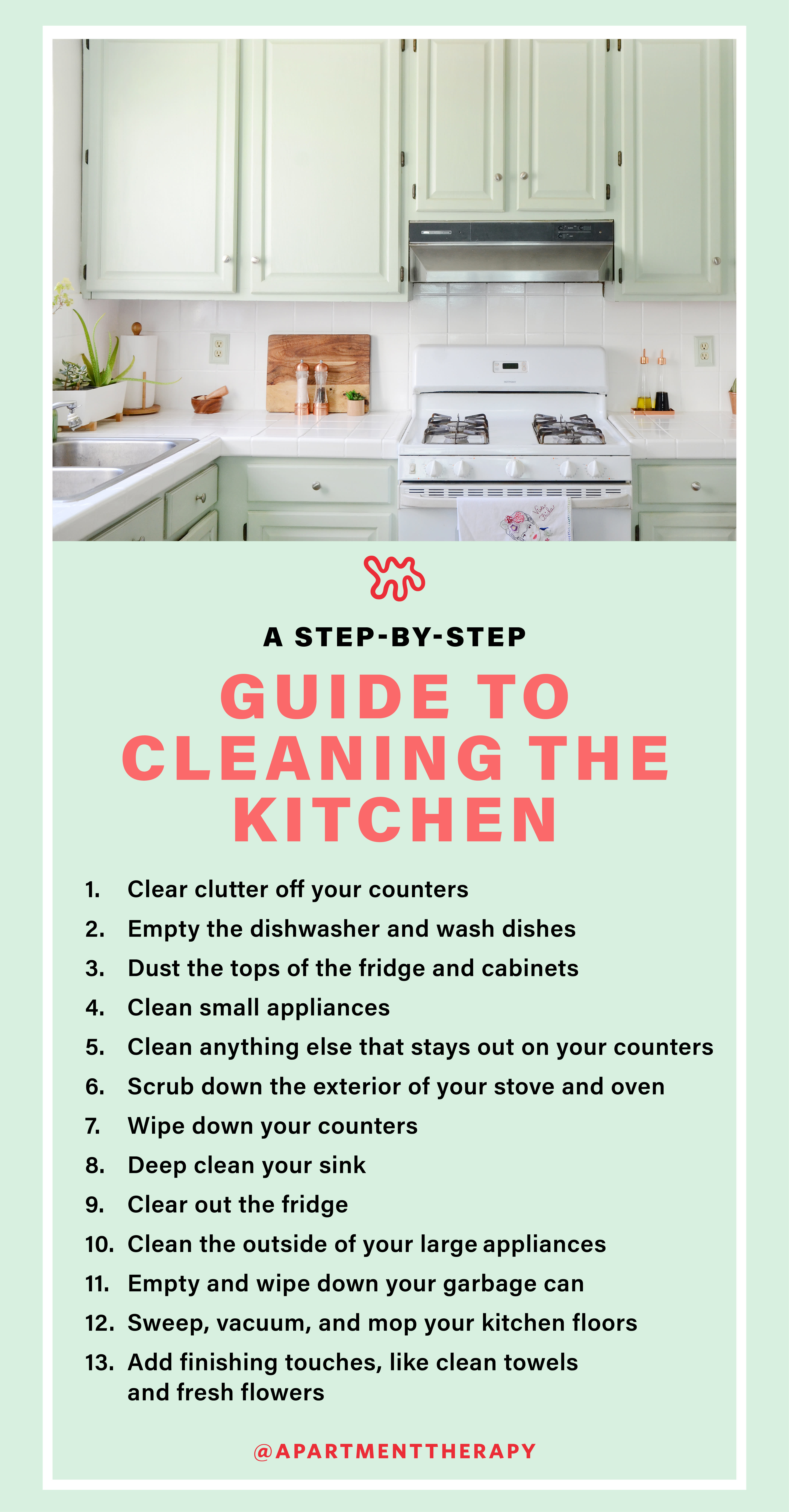
Back casting room is a planning method that starts with a clear vision of the final outcome. In kitchen cleaning, that outcome might be a hygienic, clutter-free, easy-to-maintain space.
Rather than randomly wiping surfaces, this approach defines standards first. What does “clean” mean? Which areas must stay spotless daily?
Once the end goal is clear, cleaning steps are designed backward, making the process more intentional and less exhausting.
Why Traditional Kitchen Cleaning Often Fails


Many kitchens feel messy again shortly after cleaning. This happens because cleaning is often rushed and unstructured.
Without a system, people repeat the same tasks while neglecting others. Grease builds up in hidden areas, and clutter slowly returns.
Back casting room methods address this by creating clear priorities instead of relying on motivation alone.
Defining the Ideal Clean Kitchen State
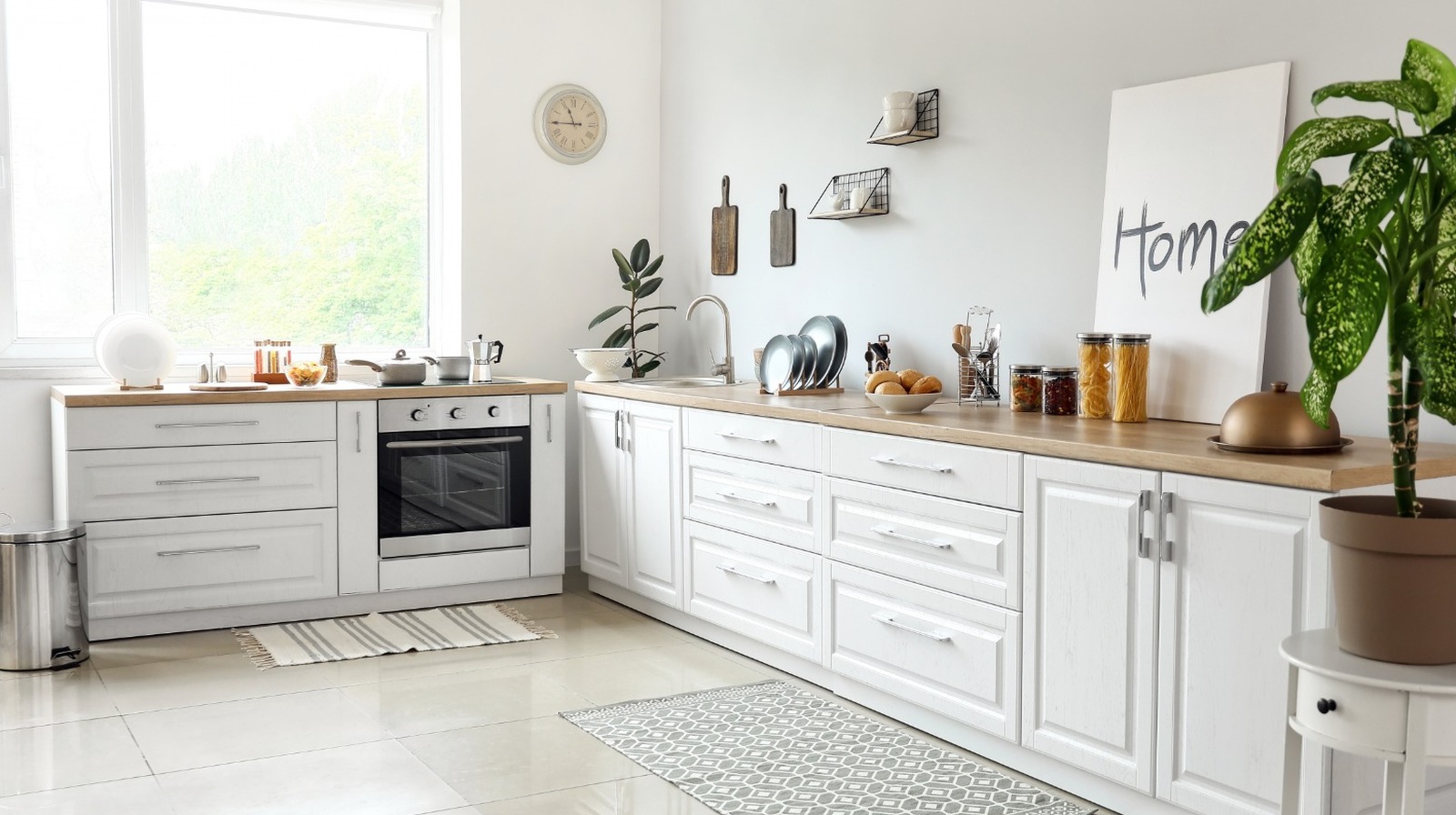

The first step in back casting room kitchen cleaning is defining the target condition. This includes hygiene standards, visual order, and ease of maintenance.
For some, it means spotless countertops and empty sinks. For others, it includes organized cabinets and sanitized appliances.
Clarity at this stage prevents wasted effort later and ensures cleaning supports daily habits.
Breaking Down Kitchen Zones Strategically

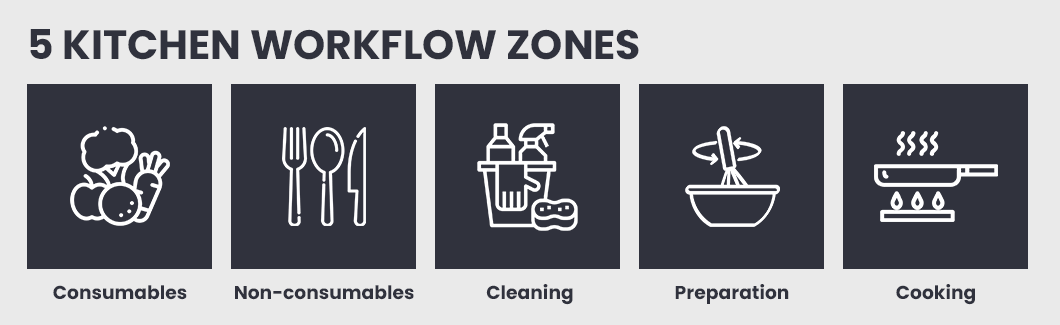
Back casting room cleaning divides the kitchen into zones such as prep areas, cooking surfaces, storage, and floors.
Each zone has different cleaning needs and frequencies. For example, prep areas need daily attention, while cabinets may need monthly care.
Zoning prevents over-cleaning some areas while neglecting others.
Creating a Backward Cleaning Workflow

Instead of cleaning from habit, back casting room encourages designing the workflow backward from the final clean state.
This might mean decluttering before disinfecting or cleaning top surfaces before floors.
A backward workflow reduces rework and improves efficiency.
Deep Cleaning Using Back Casting Principles

Deep cleaning becomes more manageable when planned backward. Instead of tackling everything at once, tasks are scheduled logically.
Appliances, vents, and hidden surfaces are included because the end goal demands it.
Back casting room prevents skipping important but less visible areas.
Maintaining Cleanliness With Less Effort

Once the ideal state is achieved, maintenance becomes easier. Back casting room focuses heavily on sustainability.
Small daily actions replace exhausting weekly cleanups. Wiping surfaces immediately and returning items to their place keeps standards intact.
Maintenance routines are designed to support real-life behavior.
Reducing Cleaning Time and Burnout
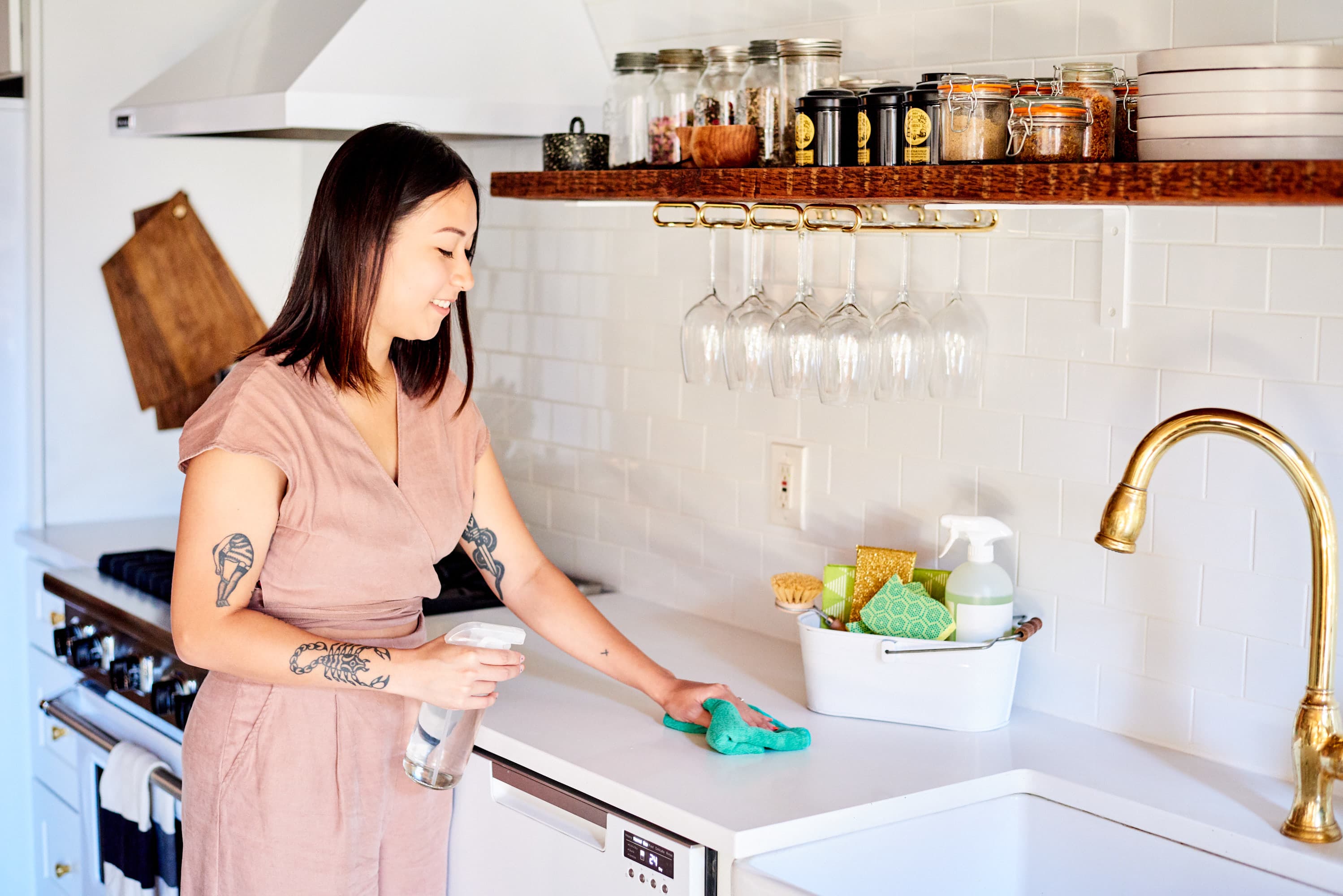

One major benefit of back casting room kitchen cleaning is reduced burnout. Cleaning no longer feels endless.
Because tasks are intentional, time spent cleaning decreases while results improve.
This approach transforms cleaning from a chore into a manageable system.
Tools and Supplies That Support the System

Back casting room cleaning works best with the right tools. Multi-purpose cleaners, microfiber cloths, and proper storage improve efficiency.
Tools are chosen based on workflow rather than impulse purchases.
This reduces clutter and improves consistency.
Adapting Back Casting Room Cleaning to Busy Homes


Busy homes benefit greatly from structured cleaning. Back casting room allows flexibility without losing control.
Tasks can be split across days or shared among household members.
The system adapts to life rather than demanding perfection.
Common Mistakes When Applying Back Casting

Mistakes include setting unrealistic standards or skipping the planning stage.
Back casting room requires honesty about habits and time constraints.
Simple, realistic systems outperform perfect but unmaintainable ones.
FAQ

What is back casting room in kitchen cleaning?
It is a planning-based cleaning approach that starts with the desired clean outcome and works backward to design routines.
Does this method reduce cleaning time?
Yes, because it eliminates wasted effort and repetitive cleaning.
Is back casting room suitable for small kitchens?
Absolutely. Smaller kitchens often benefit the most from structured cleaning systems.
Can families use this approach?
Yes, it works well in shared kitchens by clarifying responsibilities.
Does it require special products?
No, it focuses more on workflow than products.
Conclusion
Kitchen cleaning doesn’t have to feel endless or overwhelming. Back casting room methods shift focus from constant reaction to intentional planning.
By defining the ideal clean state and working backward, kitchens become easier to manage and maintain.
This approach replaces frustration with clarity, creating cleaner kitchens with less effort over time.