How to Design a Simple Kitchen That Actually Works
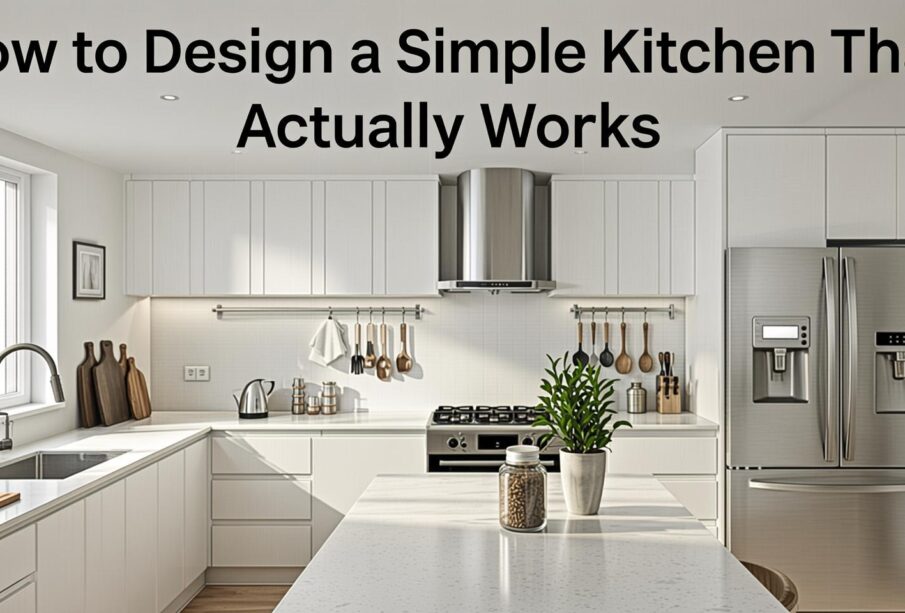
You want a kitchen that works without costing a fortune or making your head spin. You do not need a massive island, two dishwashers, or a commercial-grade range to cook great meals. Knowing how to design a simple kitchen is about focusing on what you actually do in the space every day. If you strip away the extra noise, you get a clean, functional room that is easy to use and even easier to clean. I remodeled my own kitchen two years ago, and choosing a simple layout was the best decision I ever made. Let us look at how you can do the same for your home.
How to Design a Simple Kitchen Layout
The layout is the most vital part of your kitchen. If the layout is bad, cooking will feel like a chore. The first rule of kitchen design is the work triangle. This is the path between your stove, your sink, and your refrigerator. You want this path to be clear, short, and free of obstacles.
Think about how you move when you prepare a meal. You take vegetables out of the fridge. You wash them at the sink. You chop them on the counter next to the sink. Finally, you cook them on the stove. Keeping these areas close together makes the process feel easy. You can read more about the history of the kitchen work triangle on Wikipedia to see why designers still use it today.
There are three main layouts that work best for simple kitchens:
- The Galley Kitchen: This layout has two parallel counters with a walkway in between. It is highly efficient because everything is just a step or two away. It is perfect for small homes.
- The L-Shape Kitchen: This layout uses two walls that meet in a corner. It opens up the room and leaves space for a small dining table or a mobile cart.
- The Single-Wall Kitchen: All appliances and counters sit on a single wall. This is the ideal space saver for tiny homes or apartments.
Avoid complex U-shaped designs or massive center islands if you want to keep things simple. A mobile cart on wheels can give you extra prep space when you need it, and you can push it out of the way when you do not.
Smart and Simple Storage
Many people think they need dozens of cabinets to keep a kitchen organized. You probably do not. Too many cabinets just collect clutter you will never use, like old plastic containers with missing lids or specialty gadgets that only do one job.
Try to mix deep drawers and standard cabinets. Deep drawers are excellent for lower storage. They let you see everything from above. You do not have to get down on your hands and knees to find a pot at the back of a dark shelf. Pull the drawer out, grab the pot, and you are ready to cook.
For upper storage, you can use simple open shelves instead of bulky cabinets. Open shelving makes a room feel larger and brighter. But you must be honest with yourself. If you do not want to wipe dust off your plates every week, stick to closed cabinets with flat, simple doors. If you need some visual inspiration, check out the IKEA kitchen planner for some basic, clean storage ideas.
You might also want to look at our article on the best kitchen cabinet organization ideas to keep your storage neat and tidy without spending a lot of money.
Colors and Materials That Last
A simple kitchen should look calm and clean. The easiest way to get this look is with a limited color palette. Pick two or three colors at most. White, light gray, and natural wood tones are classic choices. They do not go out of style, and they make the space feel bright.
When choosing materials, pick things that are durable and easy to clean. You do not want to spend your weekends sealing countertops or scrubbing delicate grout lines.
Quartz is a great option for countertops. It looks like natural stone but does not need sealing. It resists stains, scratches, and wipes clean with a damp cloth. For the backsplash, simple ceramic subway tile is cheap and looks timeless. It has been popular for a long time because it works.
For flooring, vinyl plank or tile is durable and soft under your feet. It resists water spills much better than real wood, and it is easy to sweep and mop. If you keep your materials basic, you save money and stress. You also avoid making design choices that you might regret in a few years.
Getting the Lighting Right
You cannot work safely in a dark kitchen. Simple design relies heavily on good lighting to feel open and clean. You do not need expensive, fancy fixtures. You just need light in the right places.
First, you need general overhead light. A few simple recessed lights in the ceiling work perfectly. They spread light evenly across the room without taking up visual space.
Second, you need task lighting. This is light that shines directly on your stove, sink, and countertops. Under-cabinet LED strips are cheap and easy to install. They illuminate your workspace so you can see what you are cutting. This is a safety feature as much as a design choice.
Third, maximize your natural light. Keep your windows clear. Do not block them with heavy curtains or large plants. If you have a dark corner, a simple pendant light can make it feel welcoming.
Keep Your Appliances Simple
Appliances can quickly eat up your budget and ruin a simple design. You do not need a refrigerator that talks to you or a stove with twenty different settings. Look for reliable, basic appliances that fit your space.
Stick to standard sizes. A standard thirty-inch range and a counter-depth refrigerator are usually plenty for a normal family. Counter-depth refrigerators do not stick out past your cabinets. This keeps your walkways clear and makes the kitchen look custom-built.
If you have a small kitchen, consider smaller appliances. A twenty-four-inch dishwasher works just as well as a larger one, but it saves you six inches of cabinet space. Those six inches can be used for a pull-out spice rack or trash bin instead.
You can also read our tips on budget kitchen remodel tips to see how to save money on these appliances without sacrificing quality.
Your Next Steps
Designing a space does not have to be stressful or complicated. When you focus on layout, smart storage, and classic materials, you learn how to design a simple kitchen that works for your life. You do not need to follow every design trend you see online.
Before you buy any cabinets or appliances, grab a piece of paper and draw your current kitchen. Mark where your plumbing, windows, and electrical outlets are. Try drawing three different simple layouts to see which one gives you the best work triangle. Planning everything on paper first is the easiest way to avoid mistakes before the real work begins.