Kitchen Design Without Top Cabinet: Is It Practical?
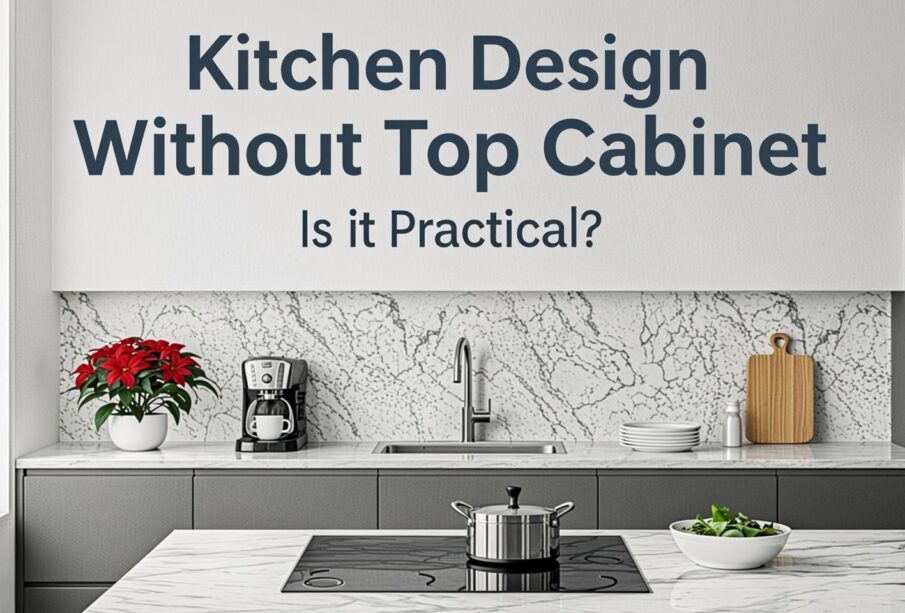
My mother almost fainted when I told her I was ripping out my upper kitchen cabinets. Where will you put the plates, she asked, her voice filled with genuine concern. It is a common reaction. For decades, we have been told that a kitchen needs two rows of heavy wooden boxes to function. But a kitchen design without top cabinet options is becoming more than just a passing trend. It is a practical way to make a small room feel twice as large.
If you are tired of feeling boxed in while you chop vegetables, skipping the uppers might be the best decision you ever make. Let’s look at how this works in real life, how to solve the storage problem, and whether this style is right for your home.
Why Skip the Upper Cabinets?
The most obvious reason is visual space. When you remove heavy wooden boxes at eye level, the room opens up. Light from your windows can reach the dark corners of your counters. You no longer feel like the walls are leaning in on you while you wash dishes.
There is also a physical benefit. If you are not very tall, those top shelves are useless anyway. You end up needing a step stool just to grab a coffee mug. Removing them means you keep your kitchen tools within arm’s reach.
You also save money. Cabinets are often the most expensive part of a remodel. By cutting your cabinet purchase in half, you can spend more on high-quality countertops or that stove you have been eyeing. You can learn more about standard kitchen layouts on Wikipedia’s kitchen page to see how layouts have changed over the years.
The Storage Question: Where Does the Stuff Go?
This is the biggest hurdle for most people. If you lose half your cabinets, you lose half your storage. Right? Not necessarily.
First, we need to talk about deep drawers. Traditional lower cabinets with doors are highly inefficient. You stack pots in the back, and you never see them again. Deep drawers allow you to pull the entire contents of the cabinet out into the light. You can easily stack plates, bowls, and even heavy pots in drawers.
Second, think about a pantry. If you have a small closet nearby, you can use it for food storage. This leaves your lower cabinets free for dishes and cookware. You can find excellent storage organizers at IKEA to help maximize every inch of your lower drawers.
Third, you probably have too much stuff. Most of us own three different blenders, ten chipped mugs, and a fondue set we used once in 2012. Designing a kitchen without uppers forces you to declutter. It is a wonderful feeling to open a drawer and only see things you actually use.
If you want to read more about organizing your lower cabinets, check out our guide on how to organize deep kitchen drawers.
Design Ideas for a Kitchen Design Without Top Cabinet
When you remove the top cabinets, you are left with a lot of empty wall space. This is your chance to get creative.
You can run your backsplash tile all the way to the ceiling. This creates a beautiful, clean look that makes the ceiling feel higher. A simple white subway tile looks clean and classic, while a textured tile adds warmth.
Another option is to install a single long shelf. This gives you a place to put your everyday items, like your favorite coffee cups or plates, without blocking the light. Just make sure you only put things on the shelf that you use daily. Otherwise, they will collect dust.
Windows are another great feature to add when you do not have upper cabinets. Imagine washing dishes while looking out of a massive window that fills the wall. It turns a boring chore into a pleasant experience.
If you are stuck on choosing materials, you can read our advice on choosing the best kitchen wall finishes.
The Cons of No Upper Cabinets
I want to be completely honest with you. This design style is not for everyone. Before you tear down your cabinets, you should consider the downsides.
Dust and Grease
If you choose to use open shelves instead of cabinets, your dishes will get dusty. If you cook with a lot of oil, a thin layer of grease can mix with that dust. You will need to wash items before you use them if they have been sitting on a shelf for a few weeks. If you do not like extra cleaning, open shelves might drive you crazy.
The Reach Factor
For families with very young children or people with mobility issues, keeping everything low can be a challenge. Bending down to grab every single plate can get tiring if you have back problems.
Wall Preparation
When you remove cabinets, the wall behind them is usually a mess. You will have to patch drywall, paint, or tile. This can add unexpected labor and cost to your project.
Next Steps for Your Remodel
If you are leaning toward a kitchen design without top cabinet layouts, start by living without your uppers for a week.
Empty your current top cabinets and put those items in a box in another room. Try to cook, clean, and live using only your lower cabinets and drawers. This trial run will show you exactly how much storage you actually need and whether you can handle the lifestyle change.
If you find that you miss the storage but love the open look, consider a compromise. You can keep upper cabinets on just one wall, or use a tall pantry cabinet on one end of the room to hold your bulky items. This gives you the best of both worlds: storage and breathing room.



![chair seat covers: 10 Chic Kitchen Styles [2026 Guide]](https://diykitchen.org/wp-content/uploads/2026/03/2033824807212027904-90x65.jpg)